goHappy.
Rebuilding trust,
improving conversion.
Reframing a single-CTA site around multi-path user journeys aligned to readiness and trust — unlocking inbound demand at the top of the funnel and $230k+ in attributed revenue.
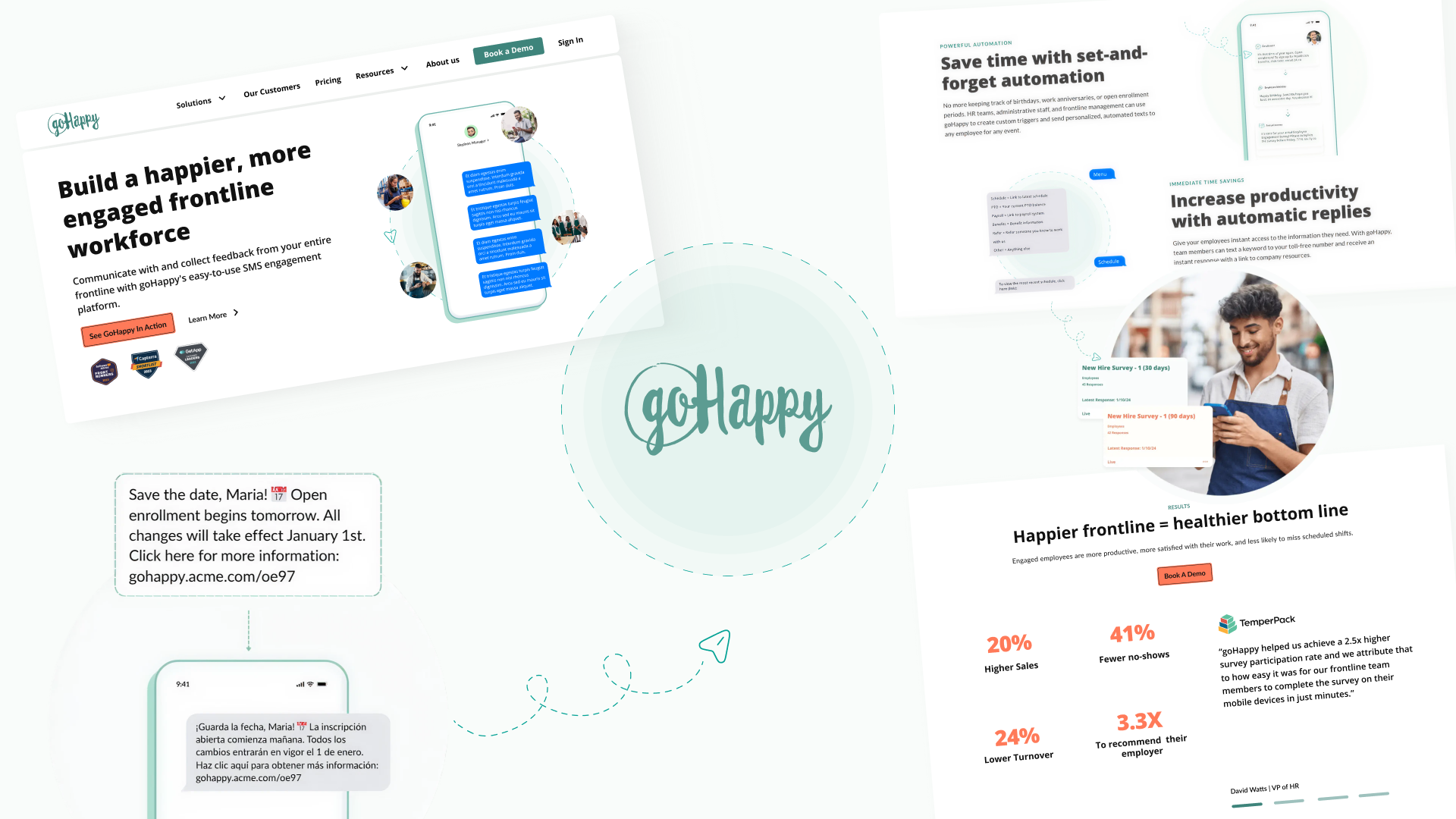
A fragmented site, doing one thing.
goHappy is a B2B SaaS platform serving frontline and HR leaders. Paid demand-gen was bringing leads to the site — the site wasn't doing the second half of the job: converting prospects, building trust, supporting the sales conversation.
The whole experience was tilted toward a single CTA: Book a Demo. No paths for users at different stages of interest. Inconsistent branding. Difficult mobile experience. Content that didn't organize around how a buyer actually decides.
I led a full UX audit, visual rebrand, and conversion-focused redesign — rebuilding trust, creating flows for different intent levels, and aligning the site with both user needs and sales goals.
The challenge.
Steady paid and organic traffic was reaching the site — but it wasn't converting efficiently or supporting the sales conversation.
- 01 Single conversion path"Book a Demo" was the only door — intimidating for top-of-funnel users and ignoring intent.
- 02 Low trust signalInconsistent brand system. Site didn't read as a credible product sales teams felt confident demoing.
- 03 Mobile experience brokenAccessibility failures, competing CTAs, dropped sessions.
- A HubSpot-boundBuilt entirely in HubSpot — limited layout flexibility.
- B Brand refresh inflightVisual system evolving in parallel. Had to ship coherently across old + new surfaces.
- C Tight timelineEnd-to-end audit, strategy, and site-wide rebuild within a single sprint window.
"Booking a demo is a high-commitment action. Treating it as the only path was suppressing conversions and limiting pipeline growth."
Core insight — discovery phase
Reframe around user readiness.
Instead of optimizing pages in isolation, I reframed the whole experience around user readiness. First, re-establish credibility. Then redesign the conversion model so the site respected what stage each visitor was actually at when they arrived.
Re-establish trust through brand & visual consistency.
Credibility first. The site needed to feel like a modern SaaS product — something sales teams felt confident demoing live.
- Defined consistent typography, color, spacing, hierarchy
- Aligned desktop and mobile design patterns
- Reduced visual noise, improved legibility
- Ensured accessibility compliance (contrast, hierarchy, button clarity)
Redesign the conversion model around user intent.
Three lanes instead of one — let visitors self-select based on where they actually were in the buying cycle.
- Demo-ready — clear, confident demo CTA
- Exploratory — Solutions, Pricing, Learn-more
- Low-commitment — Contact sales, Resources
- All — content scaled to intent, not the other way around
Page-level UX & CRO improvements.
Each core page was redesigned against audit findings, CRO principles, and a tight collaboration with copy. Three pages carried the most lift — homepage, pricing, and the mobile nav.
- Competing CTAs above the fold
- Weak value proposition
- Buried trust signals
- Clear primary vs secondary CTA hierarchy
- Stronger H1/H2 value messaging
- Introduction of testimonials, stats, logos
- Improved information flow for scanning
- Critical information below the fold
- Overuse of tooltips
- Desktop and mobile inconsistency
- Moved key information above the fold
- Simplified layout into clearer columns
- Improved readability and hierarchy
- Added supportive content and social proof
increase in average engagement time.
Pricing became one of the top conversion surfaces on the site.
- Accessibility failures
- Flat visual hierarchy
- Overloaded IA
- Simplified navigation structure
- Improved spacing, contrast, legibility
- Clarified CTA placement on mobile
- Reduced cognitive load across breakpoints
Homepage — before / after.
 Hover to scroll ↓
 Hover to scroll ↓
From pricing to demo, in one flow.
The pricing page became one of the largest single conversion wins — moving key information above the fold, simplifying the layout into clearer columns, and adding social proof. Engagement time and conversion both lifted materially; pricing became one of the top conversion surfaces on the site.
Other page-level wins: clearer CTA hierarchy on solutions pages, demo CTAs introduced in resource content, and a simplified mobile navigation that reduced cognitive load across breakpoints.
Refresh, not rebrand.
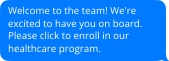
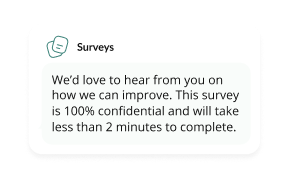
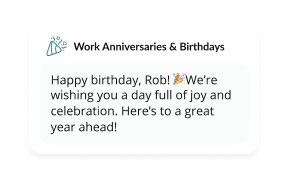
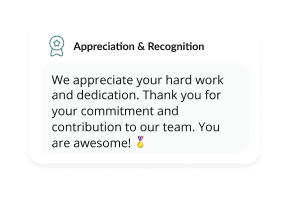
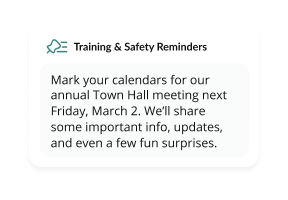
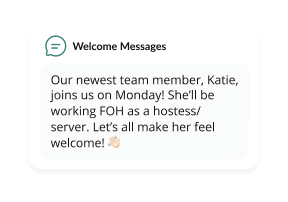
A refresh on top of goHappy's existing brand system — not a rebuild. Simplified the palette to its most distinctive notes, codified repeat patterns, and introduced a new image treatment across the funnel: circular crops, dotted halos, accent dots, overlay UI cards.













Results & outcomes.
Inbound demand lifted across the funnel — and sales reported closed-won deals influenced directly by the new site experience.
What I'd carry forward.
The win wasn't more pixels. It was respecting that not every visitor is ready to book a demo — and giving the people who weren't, a path that still moved the pipeline.
Worked closely with.
to review metrics and prioritize impact
to refine value props and clarity
to ensure feasibility within HubSpot
to introduce motion that supported storytelling without overwhelming the page
Design decisions were continuously informed by:
- Engagement time
- Lead quality
- Pipeline attribution
- Sales feedback